
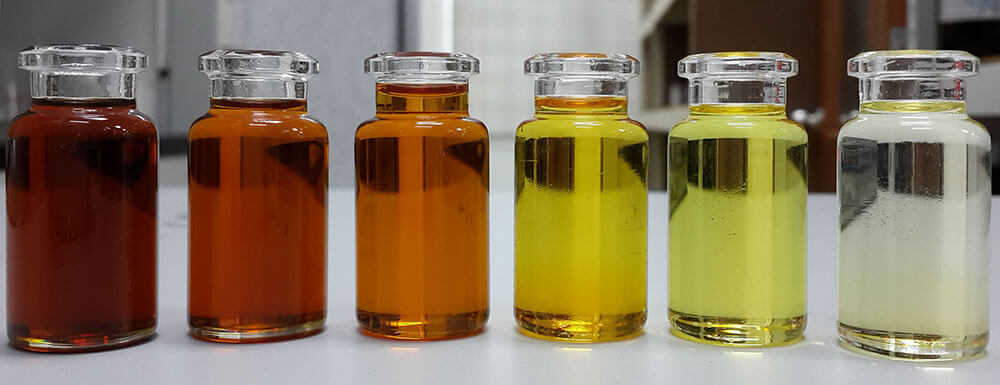
Why Oil Testing Matters
Transformer oil is the blood of your transformer. Just as a doctor draws blood to diagnose disease long before symptoms appear, an oil sample reveals the internal condition of your transformer — overheating, arcing, insulation degradation, moisture contamination — months or even years before these problems escalate into catastrophic failure.
A transformer that fails without warning does not simply stop working. It can explode, catch fire, destroy surrounding equipment, and halt your entire production line for weeks. The repair or replacement timeline for a failed transformer — sourcing parts, rewinding coils, replacing oil, retesting — runs into weeks of downtime and significant expense. Compare that against a simple oil sample that takes 30 minutes to collect and a few days for lab results.
Oil testing is the single most cost-effective form of transformer maintenance. Here is why:
- Early fault detection — dissolved gas analysis can detect a developing internal fault 6–18 months before it causes visible damage. That is 6–18 months of lead time to plan a controlled shutdown, order parts, and schedule repairs at your convenience rather than in an emergency
- Extended transformer life — monitoring oil quality and acting on results (filtering, dehydrating, or replacing oil) keeps insulation healthy and extends your transformer's service life by years or even decades
- Reduced emergency repairs — the majority of emergency transformer repairs could have been prevented with routine oil testing. Catching a moisture problem at 25 ppm is a simple filtration job; catching it at 60 ppm after insulation failure is a full rewind
- Insurance and compliance — many insurance policies and utility interconnection agreements require periodic oil testing as evidence of proper maintenance. Without documented oil test results, claims for transformer damage may be denied
- Informed capital planning — oil trends over time tell you whether your transformer has 2 years of remaining life or 20. This data drives smarter capital expenditure decisions — repair versus replace, budget this year versus next
In Pakistan's industrial environment — where transformers face extreme summer heat exceeding 48 degrees Celsius, monsoon humidity, voltage fluctuations, and often inconsistent load profiles — oil degradation happens faster than in temperate climates. Regular testing is not optional. It is the difference between planned maintenance and unplanned disaster.
Dissolved Gas Analysis (DGA)
Dissolved gas analysis is the most powerful diagnostic tool available for oil-filled transformers. When faults develop inside a transformer — partial discharge, arcing, overheating of conductors or cellulose — the insulating oil and paper break down and produce specific gases. These gases dissolve in the oil at low concentrations, detectable by laboratory analysis long before any external symptoms appear.
DGA is often called the "MRI of the transformer" because it pinpoints not just whether a fault exists, but what type of fault it is, how severe it is, and whether it is getting worse over time.
Key Gases and What They Mean
Each fault type produces a characteristic pattern of gases. Understanding these gases is essential for interpreting DGA results:
- Hydrogen (H2) — the primary indicator of partial discharge (corona). Partial discharge occurs when insulation is stressed but not yet fully broken down. Elevated hydrogen is an early warning — the insulation is under stress and may fail if the underlying cause (moisture, contamination, design weakness) is not addressed
- Acetylene (C2H2) — the most critical gas. Acetylene is produced only at extremely high temperatures (above 700 degrees Celsius) associated with electrical arcing. Even a small amount of acetylene — as little as 2–5 ppm — demands immediate investigation. Arcing can puncture insulation, bridge windings, and cause catastrophic failure within days or hours
- Ethylene (C2H4) — indicates severe thermal overheating (above 300 degrees Celsius). This can result from hot spots caused by poor connections, circulating currents in the core, or overloaded windings. High ethylene levels mean something inside the transformer is getting dangerously hot
- Methane (CH4) — indicates moderate thermal decomposition of oil (150–300 degrees Celsius). Methane often appears alongside ethane and is associated with localised hot spots that, while not immediately dangerous, are degrading oil and insulation and will worsen over time
- Ethane (C2H6) — produced at moderate temperatures (above 150 degrees Celsius), often alongside methane. Ethane indicates thermal decomposition of oil — usually from sustained low-level overheating rather than acute faults
- Carbon monoxide (CO) — indicates degradation of cellulose (paper insulation). Since cellulose insulation cannot be replaced without a complete rewind, CO levels are a direct measure of your transformer's remaining insulation life. Gradually rising CO over years is normal aging; a sudden spike indicates a thermal fault affecting the paper insulation
- Carbon dioxide (CO2) — also produced by cellulose degradation, but at lower temperatures than CO. The CO2/CO ratio helps distinguish between normal aging and active thermal faults. A ratio below 3 suggests active thermal degradation; a ratio of 5–10 is typical of normal aging
Key Gas Ratios and the Duval Triangle
Individual gas levels tell part of the story. Gas ratios reveal the rest. The three most widely used interpretation methods are:
Rogers Ratios — uses ratios of CH4/H2, C2H6/CH4, C2H4/C2H6, and C2H2/C2H4 to classify faults into categories: partial discharge, low-energy discharge, high-energy discharge, and thermal faults at various temperature ranges. This method works well for clear, single-fault conditions.
IEC 60599 Ratios — the international standard method using three key ratios (C2H2/C2H4, CH4/H2, C2H4/C2H6) to identify six fault types. This is the method most commonly used in lab reports you will receive from Pakistani testing laboratories.
Duval Triangle — developed by Michel Duval, this graphical method plots the relative percentages of methane, ethylene, and acetylene on a triangle. The position of the point within the triangle identifies the fault type — partial discharge (PD), low-energy discharge (D1), high-energy discharge (D2), thermal faults at three temperature ranges (T1, T2, T3), or combinations thereof. The Duval Triangle is considered the most reliable single method because it always gives a diagnosis — unlike ratio methods that sometimes produce inconclusive results.
For the most accurate diagnosis, experienced engineers use all three methods together and compare results. At TransfoLine, we review DGA results using multiple methods before recommending action, because misinterpreting a result can lead to unnecessary shutdowns — or worse, ignoring a real problem.
Trending Is More Important Than Single Values
A single DGA result is a snapshot. What matters most is the trend over time. A transformer with hydrogen at 100 ppm that has been stable at that level for three years is far less concerning than one with hydrogen at 50 ppm that was 10 ppm six months ago. The rate of gas generation — measured in ppm per month or per year — tells you how fast a fault is progressing and how urgently you need to act.
This is why we recommend keeping every oil test report on file and comparing results year over year. A single test tells you where you are. A series of tests tells you where you are heading.
Breakdown Voltage (BDV) Testing
Breakdown voltage testing measures the dielectric strength of transformer oil — its ability to withstand electrical stress without conducting current. In simple terms, BDV tells you how well the oil can insulate. When BDV drops too low, the oil can no longer prevent electrical current from arcing between windings and the grounded tank, resulting in a short circuit and potential transformer failure.
How BDV Testing Works
In a BDV test, a sample of oil is placed in a test cell between two electrodes spaced 2.5 mm apart (per ASTM D1816) or 2.5 mm apart (per IEC 60156). Voltage is applied and gradually increased at a controlled rate until the oil breaks down and a spark jumps between the electrodes. The voltage at which this occurs is the breakdown voltage. The test is repeated six times on the same sample, and the average of the six readings is reported as the BDV value.
Acceptable BDV Values
- New oil — 60–70 kV is typical for fresh, clean transformer oil
- Acceptable for service — above 30 kV for distribution transformers (up to 33 kV class) and above 50 kV for power transformers (66 kV class and above)
- Caution zone — 30–40 kV for distribution transformers. The oil is functional but degraded and should be filtered or dehydrated
- Critical — below 30 kV. The oil is unsafe for continued service. Immediate oil treatment or replacement is required
What Reduces BDV
BDV is primarily affected by two contaminants:
- Moisture — even small amounts of dissolved water dramatically reduce dielectric strength. Oil with 10 ppm moisture might have a BDV of 65 kV; the same oil at 40 ppm might drop to 30 kV. Moisture is the single biggest enemy of transformer oil, and in Pakistan's humid climate — particularly during monsoon season — moisture ingress through degraded gaskets and breathers is a constant threat
- Particulate contamination — carbon particles from internal arcing, metallic particles from wear, fibres from degrading cellulose insulation, and external dirt all reduce BDV. Particles create conductive bridges in the oil that allow current to flow at lower voltages
The good news is that both moisture and particles are removable through proper oil dehydration and filtration. A transformer with low BDV does not necessarily need new oil — in most cases, treating the existing oil restores it to near-new condition.
ASTM D1816 Standard
The most widely referenced BDV standard is ASTM D1816, which uses a 1 mm or 2 mm electrode gap. This standard is more sensitive to moisture and particles than the older ASTM D877 (which uses a larger gap) and is therefore preferred for modern transformer oil testing. When reviewing a BDV test report, always check which standard was used — a "40 kV" result under D1816 and a "40 kV" result under D877 represent very different oil conditions because of the different electrode gaps. Insist on D1816 for more meaningful results.
Moisture Content Testing
Moisture is the most damaging contaminant in transformer oil. It weakens dielectric strength, accelerates cellulose aging, promotes corrosive acid formation, and enables partial discharge activity. Controlling moisture is the foundation of transformer oil management, and measuring it accurately is the first step.
Karl Fischer Titration
The industry-standard method for measuring moisture in transformer oil is Karl Fischer coulometric titration (per ASTM D1533 or IEC 60814). This method measures dissolved water in parts per million (ppm) with high accuracy — it can detect as little as 1 ppm of moisture. The test involves injecting a measured volume of oil into a titration cell where water reacts with Karl Fischer reagent. The amount of reagent consumed is directly proportional to the water content.
Acceptable Moisture Levels
- New oil — should be below 10 ppm before filling a transformer
- In-service oil (distribution transformers) — below 20 ppm is acceptable. 20–35 ppm is the caution zone — plan dehydration. Above 35 ppm requires immediate treatment
- In-service oil (power transformers) — stricter limits apply. Below 15 ppm is acceptable. Above 25 ppm requires urgent action
How Moisture Enters Transformer Oil
Moisture finds its way into transformer oil through multiple pathways:
- Breathing — as the transformer heats and cools through daily load cycles, the oil expands and contracts, drawing ambient air through the breather. In Pakistan, where relative humidity regularly exceeds 80% during monsoon season, each breathing cycle introduces humid air into the conservator tank
- Degraded gaskets and seals — rubber gaskets on inspection covers, bushings, and drain valves harden and crack over time, allowing rainwater and humid air to seep in. This is particularly problematic during the July–September monsoon rains in Punjab and Sindh
- Cellulose degradation — as the paper insulation inside the transformer ages and degrades, it releases water as a byproduct. This is an internal moisture source that even a perfectly sealed transformer cannot avoid
- Oil handling — improper storage of oil barrels (outdoor, uncovered) or using contaminated equipment during oil filling introduces moisture before the oil even enters the transformer
Seasonal Effects in Pakistan's Climate
Pakistan's climate creates a uniquely challenging environment for transformer oil moisture management. In Lahore, Faisalabad, and across Punjab, summer temperatures routinely exceed 45 degrees Celsius, which accelerates oil aging and increases the rate of cellulose degradation (which produces moisture as a byproduct). The monsoon season that follows — June through September — brings weeks of high humidity that drives moisture into the oil through breathers and gaskets. This one-two punch of extreme heat followed by extreme humidity means transformers in Pakistan accumulate moisture faster than those in temperate climates.
The practical result: a transformer that operates safely at 15 ppm moisture in April may measure 30 ppm by October if the breather silica gel is exhausted, gaskets are aged, or the conservator diaphragm is compromised. Pre-monsoon and post-monsoon oil testing is not a luxury — it is a necessity for any transformer operating in Pakistan's plains.
Acidity and Interfacial Tension
While DGA, BDV, and moisture testing get the most attention, two additional parameters — acid number and interfacial tension — provide critical insight into the long-term viability of your transformer oil. These tests tell you whether the oil is aging gracefully or racing toward sludge formation that can clog cooling channels and accelerate insulation failure.
Acid Number (Neutralisation Number)
The acid number measures the concentration of acidic compounds in the oil, reported in milligrams of potassium hydroxide per gram of oil (mg KOH/g). Fresh transformer oil is essentially acid-free (acid number below 0.01 mg KOH/g). Over time, oxidation produces organic acids that dissolve in the oil.
Why acidity matters:
- Acids attack cellulose insulation — acidic oil accelerates the decomposition of paper insulation, reducing the transformer's remaining insulation life. Once paper insulation is destroyed, it cannot be restored without a complete rewind
- Acids promote sludge formation — as acidity increases, oxidation products polymerise into sludge — a thick, dark deposit that coats windings and blocks oil circulation channels. Sludge reduces cooling efficiency, raises operating temperature, and creates hot spots that generate more acid, creating a destructive feedback loop
- Acids corrode metal — acidic oil attacks copper windings and steel tanks, producing metallic soaps that further contaminate the oil
Acceptable ranges for acid number:
- Good — below 0.1 mg KOH/g
- Caution — 0.1 to 0.2 mg KOH/g. Plan oil treatment or reconditioning
- Action required — above 0.2 mg KOH/g. Oil should be reclaimed (fuller's earth treatment) or replaced
- Critical — above 0.3 mg KOH/g. Sludge formation is imminent or already occurring. Immediate intervention required
Interfacial Tension (IFT)
Interfacial tension measures the force of attraction between the oil surface and a water surface, reported in millinewtons per metre (mN/m). Fresh oil has high IFT (above 40 mN/m) because it is chemically clean. As oxidation products, acids, and polar compounds accumulate in the oil, IFT drops. Declining IFT is the earliest predictor of sludge formation — it drops before the acid number rises and well before visible sludge appears.
Acceptable ranges for IFT:
- Good — above 25 mN/m
- Caution — 20 to 25 mN/m. Oil is aging and should be monitored closely
- Action required — below 20 mN/m. Sludge formation is likely. Oil reclamation or replacement recommended
- Critical — below 18 mN/m. Sludge deposits are almost certainly present inside the transformer. Full internal cleaning and oil replacement needed
When to Filter vs Replace
The relationship between acid number and IFT determines whether your oil can be saved or must be replaced:
- High IFT + Low acidity — the oil is in good condition. Routine filtration to remove moisture and particles is sufficient. This is the ideal state to maintain through regular oil dehydration
- Dropping IFT + Rising acidity (both still in caution zone) — the oil is aging but salvageable. Oil reclamation using fuller's earth removes acids and oxidation products, restoring IFT. This is the optimal time to intervene — before sludge forms
- Low IFT + High acidity — the oil is chemically degraded. Filtration alone cannot remove dissolved acids. Full oil reclamation or replacement is required, along with internal cleaning to remove sludge deposits from windings and cooling channels
The key takeaway: IFT is your early warning system. By the time the acid number is high, the damage is already progressing. Monitor IFT trends and act when it drops below 25 mN/m — don't wait for acid problems to develop. Consult the complete transformer oil guide for a deeper understanding of oil chemistry and degradation mechanisms.
How Often Should You Test?
Testing frequency depends on three factors: the transformer's age, its criticality to your operations, and the operating environment. Below are guidelines based on industry standards and our field experience across hundreds of transformers in Pakistan.
Testing Frequency by Transformer Age and Criticality
| Transformer Category | Recommended Testing Frequency | Tests Required |
|---|---|---|
| New transformer (first 2 years) | Annually | BDV, moisture, DGA |
| Standard distribution (2–15 years) | Annually | BDV, moisture, acidity, IFT |
| Aging transformer (15+ years) | Every 6 months | Full panel: DGA, BDV, moisture, acidity, IFT |
| Critical / high-value unit | Every 6 months | Full panel: DGA, BDV, moisture, acidity, IFT |
| After a major event (fault, lightning, overload) | Immediately + 30 days later | Full panel with emphasis on DGA |
| After oil treatment / dehydration | 48 hours + 30 days after treatment | BDV, moisture to verify treatment effectiveness |
Seasonal Considerations for Pakistan
Pakistan's climate demands a seasonal testing rhythm that goes beyond simple annual schedules:
- Pre-monsoon (April–May) — test BDV and moisture content to establish baseline values before the humidity assault begins. Inspect and replace silica gel breathers. Check gaskets for cracks. This is your preparation window
- During monsoon (July–August) — for critical transformers, a mid-monsoon check catches rapid moisture ingress early. This is optional for non-critical units but highly recommended for any transformer with known gasket or breather issues
- Post-monsoon (October) — test BDV, moisture, and DGA. Compare results against pre-monsoon baseline. If moisture has risen significantly, schedule oil dehydration before winter. Catching moisture problems in October gives you time to treat the oil before the next summer heat accelerates aging
- Pre-summer (March) — for transformers serving heavy industrial loads, test before the extreme summer heat arrives. A transformer entering summer with marginal oil quality is at much higher risk of failure during peak load + peak temperature conditions in June–July
Event-Driven Testing
Beyond scheduled testing, certain events should trigger immediate oil sampling:
- Through-fault — a downstream short circuit that sends high fault current through the transformer can cause mechanical displacement of windings and internal arcing. DGA within 24 hours reveals whether damage occurred
- Lightning strike — even with surge arresters, nearby lightning can stress insulation. Test DGA and BDV within 48 hours
- Sustained overloading — operating above nameplate rating accelerates oil degradation. If a transformer was overloaded during a production push, test within a week
- Buchholz relay alarm — a Buchholz relay trip or alarm indicates gas generation inside the transformer. This is a direct signal to test immediately — DGA will identify the fault type
- Unusual sounds or temperature rise — if the transformer sounds different (louder humming, crackling) or runs hotter than usual, something has changed internally. Test oil to identify the cause
Reading Your Oil Test Report
When you receive an oil test report from a laboratory, it contains a list of parameters, measured values, and (if you are lucky) reference ranges. Here is how to interpret the key parameters and what action each result demands.
Oil Test Parameters — Acceptable, Caution, and Critical Ranges
| Parameter | Unit | Acceptable | Caution | Critical |
|---|---|---|---|---|
| Breakdown Voltage (BDV) | kV | > 40 | 30 – 40 | < 30 |
| Moisture Content | ppm | < 20 | 20 – 35 | > 35 |
| Acid Number | mg KOH/g | < 0.1 | 0.1 – 0.2 | > 0.2 |
| Interfacial Tension (IFT) | mN/m | > 25 | 20 – 25 | < 20 |
| Hydrogen (H2) | ppm | < 100 | 100 – 700 | > 700 |
| Methane (CH4) | ppm | < 120 | 120 – 400 | > 400 |
| Ethane (C2H6) | ppm | < 65 | 65 – 100 | > 100 |
| Ethylene (C2H4) | ppm | < 50 | 50 – 150 | > 150 |
| Acetylene (C2H2) | ppm | < 2 | 2 – 10 | > 10 |
| Carbon Monoxide (CO) | ppm | < 350 | 350 – 570 | > 570 |
| Carbon Dioxide (CO2) | ppm | < 2500 | 2500 – 4000 | > 4000 |
| Total Dissolved Combustible Gas (TDCG) | ppm | < 720 | 720 – 1920 | > 1920 |
Note: These ranges are based on IEEE C57.104 guidelines for mineral oil-filled transformers. Power transformers (66 kV and above) may have stricter limits. Always consult your transformer manufacturer's specifications for unit-specific limits.
Red Flags That Mean Immediate Action
Certain results should trigger immediate response — do not wait for the next scheduled test or the next maintenance window:
- Any acetylene above 10 ppm — indicates active arcing inside the transformer. De-energise if possible and perform detailed investigation. Arcing faults can progress to complete failure within hours to days
- Rapidly rising hydrogen (more than 100 ppm increase between tests) — indicates accelerating partial discharge. The insulation is deteriorating under electrical stress. Investigate root cause — it may be moisture, contamination, or a design issue
- BDV below 30 kV — the oil can no longer safely insulate the transformer at rated voltage. Schedule immediate oil dehydration or replacement
- Moisture above 35 ppm — at this level, moisture is actively degrading insulation and reducing BDV. The risk of partial discharge and flashover increases significantly. Dehydrate immediately
- TDCG above 1920 ppm — total dissolved combustible gas at this level indicates one or more active faults generating significant gas. Full DGA interpretation and potentially internal inspection is required
- Sudden change in any parameter — a parameter that was stable for years and suddenly shifts significantly (even if still within acceptable range) indicates something has changed inside the transformer. Investigate immediately
Understanding Normal Aging vs Active Faults
All transformer oil degrades over time. Normal aging produces gradual, predictable changes: BDV slowly decreases, moisture slowly increases, IFT slowly drops, acid number slowly rises, and CO/CO2 gradually increase as cellulose ages. These changes happen over years and are manageable with periodic oil treatment.
Active faults produce sudden, rapid changes. A DGA that shows stable gas levels for three years and then a dramatic increase in hydrogen or acetylene is not aging — it is a fault developing right now. The distinction between "gradual trend" and "sudden change" is why trending your oil test results over time is so valuable. Keep every report. Compare every result against the previous one. Calculate the rate of change.
"We had been running our 1500 KVA unit for nine years without any issues. A routine DGA test showed acetylene had jumped from zero to 8 ppm in six months. TransfoLine's engineers recommended an internal inspection — we found a loose bushing connection that was arcing intermittently. A one-day repair fixed it. Without that DGA test, we would have had a major failure during peak production season."
— Factory Manager, Packaging Group, Faisalabad
Frequently Asked Questions
How often should transformer oil be tested?
For critical transformers, test every 6 months. For standard distribution transformers under 15 years old, annual testing is sufficient. Transformers older than 15 years should be tested every 6 months regardless of criticality. In Pakistan, always test before and after monsoon season to catch moisture ingress early. After any major event — through-fault, lightning strike, overload, or Buchholz alarm — test immediately.
What is the acceptable breakdown voltage (BDV) for transformer oil?
For distribution transformers (up to 33 kV class), the minimum acceptable BDV is 30 kV. New oil typically measures 60–70 kV. Values between 30–40 kV indicate the oil needs filtration or dehydration. Below 30 kV, the oil is unsafe and must be treated or replaced immediately. Power transformers (66 kV and above) require higher BDV values — typically above 50 kV.
What does dissolved gas analysis (DGA) tell you?
DGA reveals internal faults by measuring gases dissolved in the oil. Each gas corresponds to a specific fault type: hydrogen indicates partial discharge, acetylene indicates arcing, ethylene indicates severe overheating, methane indicates moderate thermal decomposition, and carbon monoxide indicates cellulose (paper insulation) degradation. DGA can detect developing faults months or even years before they cause failure, making it the single most valuable diagnostic test available for oil-filled transformers.
How do you take a proper transformer oil sample?
Use a clean, dry glass syringe or sample bottle specifically designed for oil testing. Before collecting, flush the sampling valve with 1–2 litres of oil to clear stagnant oil from the valve. Fill the container completely with no air bubbles — air contamination invalidates moisture and gas results. Seal immediately with an airtight cap and send to the lab within 24 hours. Never sample during rain or high humidity. Label each sample with the transformer ID, date, time, oil temperature, and sampling location (top valve, bottom drain, or mid-level).
Can bad transformer oil be restored or does it need replacement?
In most cases, degraded transformer oil can be restored through filtration and dehydration rather than full replacement. Oil treatment removes moisture, dissolved gases, and particulate contamination, restoring BDV and dielectric strength to near-new levels. However, if the acid number exceeds 0.3 mg KOH/g or interfacial tension drops below 18 mN/m, the oil has chemically degraded beyond what standard filtration can fix. At that point, oil reclamation (fuller's earth treatment) or complete replacement is needed.
What is the best time of year to test transformer oil in Pakistan?
The most important testing windows in Pakistan are pre-monsoon (April–May) and post-monsoon (October). The pre-monsoon test establishes a baseline before high humidity drives moisture into the oil. The post-monsoon test reveals the extent of moisture ingress during the rainy season. For critical transformers, adding a mid-monsoon test in July–August catches rapid degradation early. If you can only test once per year, October (post-monsoon) gives you the most actionable information because it captures the worst-case condition. Contact TransfoLine to schedule oil testing at any time of year.
Need your transformer oil tested?
TransfoLine provides comprehensive oil testing and analysis across Pakistan — DGA, BDV, moisture, acidity, and full diagnostic interpretation. Our engineers do not just hand you numbers — we tell you exactly what the results mean and what action to take. Book your oil analysis today.
Book Oil Analysis →